

For clinics managing patient data and digital outreach, HIPAA compliant marketing automation is the utmost necessity in 2026. It defines how clinics attract, engage, and convert patients without violating privacy laws.
Most clinics assume compliance only applies to patient records. In reality, marketing workflows also fall under strict regulation when patient data is involved.
This creates confusion. Clinics either avoid automation entirely or use tools that quietly introduce compliance risks.
The result is lost leads, slow follow-ups, and inconsistent patient communication that affects growth.
Why Clinics Struggle with HIPAA Compliance in Marketing
Many clinics approach HIPAA compliant marketing as a legal checkbox rather than an operational system. This leads to fragmented tools and unclear processes.
From the second interaction onward, patient data enters marketing workflows. This includes:
- Appointment reminders
- Email follow-ups
- Website form submissions
- Retargeting campaigns
Most clinics rely on basic tools or manual handling. These methods create gaps where protected health information may be exposed.
On the other hand, medical marketing automation aligns communication processes with compliance rules rather than leaving it to staff judgment.
What HIPAA Compliant Marketing Automation Actually Means
At its core, HIPAA compliant marketing automation ensures that every patient interaction follows strict data handling rules while still enabling outreach and engagement.
It is not just about encryption or secure storage. It involves:
- Controlled access to patient data
- Audit trails for every interaction
- Consent tracking before communication
- Secure integrations between tools
Without these, even simple actions like sending an email reminder can become non-compliant.
Clinics often invest in tools without reviewing how they handle data across workflows. That is where issues begin.
Common Misconceptions That Create Risk

1. “Our CRM Handles Compliance Automatically”
Many clinics assume their CRM for medical clinic use is inherently compliant. This is rarely true.
Most CRMs are designed for general business use. They require configuration, secure hosting, and access control to meet healthcare standards.
Even then, gaps remain if marketing tools are connected without proper safeguards.
Having a proper doctor website design often helps to collect patient data directly. If that data flows into unsecured CRM pipelines, compliance breaks instantly.
2. “We Only Send Basic Emails, So We’re Safe”
This is a frequent misunderstanding in HIPAA compliant marketing practices.
Even simple communications can contain identifiers such as:
- Patient names
- Appointment types
- Treatment references
- Contact details
If these emails are not encrypted or consent-based, they violate regulations.
Clinics using standalone email tools often overlook this. The issue is not the message itself. It is how the data is handled.
3. “We Don’t Store Sensitive Data in Marketing Tools”
Many clinics believe they avoid risk because they do not intentionally store protected data in marketing platforms.
This assumption fails in real workflows.
Patient data often enters systems indirectly through form fills, chat tools, or call tracking. Even basic intake fields can qualify as protected information.
When these inputs connect to medical SEO services or analytics tools without safeguards, exposure happens quietly.
The risk is not deliberate storage. It is an uncontrolled data flow across systems.
4. “Compliance Is an IT Responsibility, Not a Marketing One”
Another common gap in HIPAA compliant marketing is the belief that compliance sits only with IT teams.
Marketing teams continue using tools and running campaigns without understanding how data moves or is stored.
This disconnect creates blind spots.
Medical lead generation campaigns often involve multiple touchpoints. If marketing actions are not aligned with compliance protocols, violations occur even when systems are technically secure.
Compliance is not just infrastructure. It is how every team handles patient data in daily operations.
Where Traditional Marketing Systems Fail Clinics
Standard marketing systems were not built for healthcare workflows. They focus on speed and scale, not regulation.
This creates three major issues for clinics using HIPAA compliant marketing automation tools:
- Data moves across tools without visibility or audit logs
- Staff manually manage sensitive workflows under pressure
- Follow-ups depend on memory instead of structured automation
- Consent tracking is inconsistent across channels and tools
- Reporting focuses on clicks, not patient-safe engagement quality
- Security measures are added later, not built into workflows
These gaps are not always visible immediately. They surface when clinics scale or face audits.
This is why healthcare-specific systems are becoming necessary rather than optional.
The Role of CRM Systems in Compliance
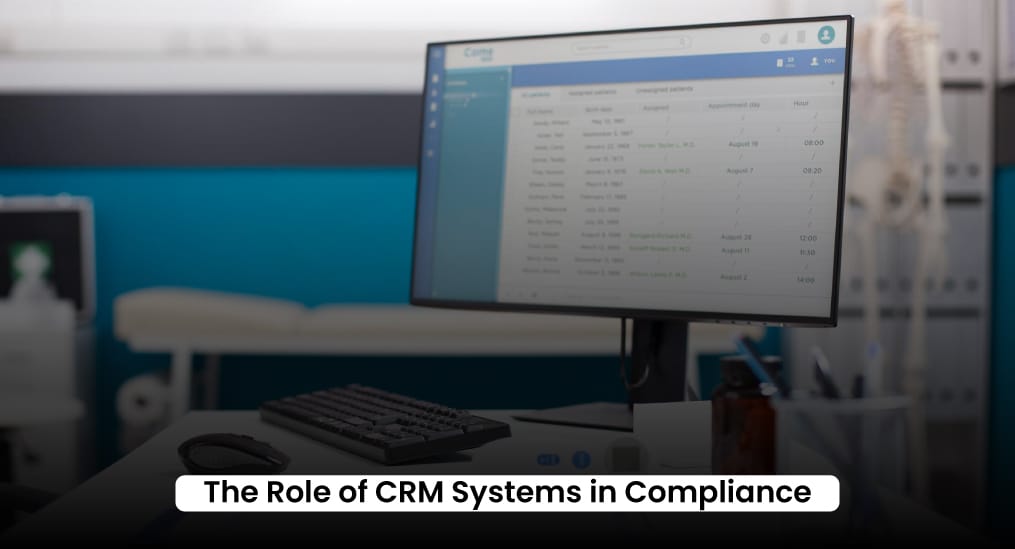
A well-configured medical CRM software acts as the foundation of compliant marketing operations.
It centralizes patient interactions while maintaining control over:
- Who accesses data
- How data is shared
- When communication is triggered
However, the CRM alone is not enough.
It must integrate with compliant workflows that manage lead capture, follow-ups, and communication securely.
Medical lead generation strategies often bring patients through multiple channels. Without CRM alignment, this data becomes fragmented and risky.
How Automation Changes Outcomes for Clinics
When implemented correctly, HIPAA compliant marketing automation shifts clinics from reactive communication to structured workflows.
Instead of relying on staff to remember follow-ups, automation ensures:
- Timely responses to inquiries
- Consistent patient communication
- Secure handling of sensitive data
- Reduced manual errors
This is where systems like Korepulse AI fit in.
It operates as an automation-led SEO and conversion intelligence system. It is designed specifically for clinic workflows, compliance-sensitive content, and patient-driven search behavior.
Rather than replacing processes, its medical SEO services help organize them into compliant, trackable systems.
What to Look for in HIPAA Compliant Marketing Automation Tools
Choosing the right HIPAA compliant marketing automation tools requires more than checking feature lists.
Clinics should evaluate:
- Whether data is encrypted in transit and storage
- If the system provides full audit trails
- How consent is captured and managed
- Whether integrations maintain compliance across tools
- If workflows are customizable for healthcare use cases
- How access controls are managed for staff roles
Many tools claim compliance. Few are built around actual clinic operations.
This is where systems tied to patient acquisition automation provide better alignment between marketing and compliance.
Why “Best CRM for Medical Sales” Is Not Enough
Clinics often search for the best CRM for medical sales expecting it to solve both marketing and compliance challenges.
Sales-focused CRMs prioritize pipeline visibility and conversion tracking. They are not designed for:
- Patient privacy requirements
- Regulated communication workflows
- Consent-driven engagement
This mismatch creates operational strain.
Clinics end up layering tools on top of each other, increasing complexity instead of reducing it.
The better approach is integration. CRM systems should work alongside automation that is designed for healthcare environments.
How Clinics Can Start Fixing Their Systems
Improving HIPAA compliant marketing does not require a complete system overhaul. It starts with identifying where risks exist.
A practical approach includes:
- Mapping how patient data enters your system
- Reviewing all tools that handle this data
- Identifying manual processes that introduce risk
- Ensuring consent is documented and accessible
- Aligning CRM workflows with compliance standards
- Replacing disconnected tools with integrated systems
Clinics that take this approach reduce both compliance risk and operational friction.
The Shift Toward Structured, Compliant Growth
Healthcare marketing is no longer about visibility alone. It is about building systems that handle patient data responsibly while supporting growth.
This is where medical CRM software and automation intersect.
Systems like Korepulse AI reflect this shift. They do not just optimize search performance. They connect patient behavior, content, and conversion workflows within a compliant framework.
For clinics, this means fewer missed opportunities and fewer compliance concerns.
How Clinics Can Build a HIPAA Compliant Marketing System
The challenge with HIPAA compliant marketing automation is not awareness. It is execution.
Most clinics understand the importance of compliance. What they lack is a structured system that aligns marketing efforts with regulatory requirements.
Automation, when designed for healthcare, changes that.
It reduces reliance on manual processes, improves consistency, and ensures that patient data is handled correctly at every step.
Clinics that address this early build more stable, scalable systems. Those who delay often face operational inefficiencies and compliance risks that are harder to fix later, as highlighted in Best HIPAA-Compliant CRM Platforms Compared for Healthcare Marketing in 2026.


