

Catering marketing pricing is one of the most important decisions for any catering business. Clients do not simply compare menu prices; they evaluate the overall experience, service quality, and reliability before booking. Understanding the psychology behind pricing helps caterers create offers that feel fair, valuable, and professional.
That is why it is necessary to comprehend the catering marketing pricing psychology. It assists you in pricing that is both within your cost and the value the clients view.
In catering, customers tend to equate cost against service, presentation, and consistency. Ingredients and labor are not the common ingredients in a judgment of event costs.
The evolution of automation and technology has provided catering firms with a means of controlling prices more efficiently. They assist companies to convey value, enhance the experience of clients, and maintain healthy profit margins.
How Clients Perceive Catering Prices
Most catering firms pay too much attention to the raw costs. Customers, on the other hand, concentrate on the value they receive at the cost. They notice details such as:
- Professional presentation and serving.
- Cordial and effective service.
- Uninterrupted order and follow-up.
Businesses can display these details with the help of Catering Marketing Automation. Online follow-ups, emails, and reminders are automated to reinforce the worth of your service. Prices become fair when clients perceive professionalism and reliability.
Knowing how to price depends on knowing how to perceive things. Two events with identical base costs can experience a difference, with one event having superior preparation, personnel, or attention to detail. Automation assists in revealing these value elements.
Key Factors That Influence Catering Service Pricing
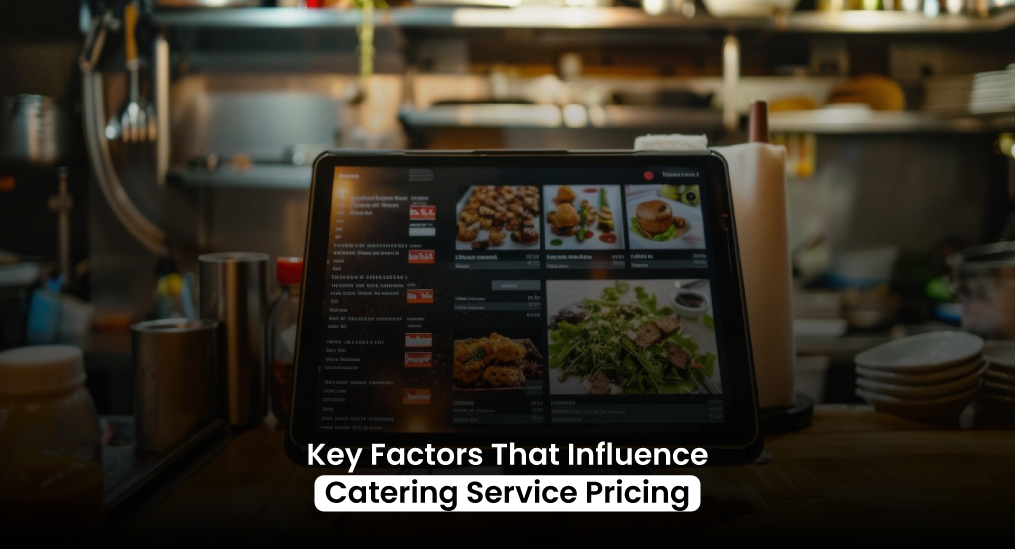
Actual catering service pricing depends on several operational factors:
- Ingredients and supplies: Special ingredients cost more, but they can justify higher prices if presented well.
- Labor and staffing: Skilled staff for setup, service, and cleanup add to costs but also improve client experience.
- Delivery and logistics: Travel time, building access, and setup requirements influence overall pricing.
- Technology tools: Booking systems, CRM integrations, and automated workflows require investment but increase efficiency.
Automation helps track these costs accurately. It reduces mistakes when calculating quotes and ensures that pricing stays aligned with real costs. This also protects catering profit margins.
Effective Catering Marketing Pricing Strategies
Pricing is more than numbers; it is part of how clients make decisions. Smart catering pricing strategies include:
- Tiered packages: Standard, premium, or luxury options guide clients to higher-value choices.
- Transparent cost breakdowns: Clients trust businesses that explain what they are paying for.
- Early booking discounts: Encourage clients to commit while keeping margins intact.
Catering lead generation systems can automate these offers. Forms collect client details, segment events by type, and send personalized quotes. This ensures pricing is professional, clear, and persuasive.
How Technology Improves Catering Pricing Transparency
Technology allows catering businesses to manage catering business pricing effectively. Tools can:
1. Live Automated Quotes
Customers desire transparent prices on the spot. Automation tools can be used to tailor businesses to make a quote depending on the number of guests, menu choice, and the location of the event. This makes decision-making less confusing and quicker. Live quotes reflect what customers will be charged. Your people waste less time on duplicated emails, and your customers feel knowledgeable. Rapid and prompt pricing enhances confirmation of bookings.
2. Tracking Ingredient and Labor Costs
Healthy catering profit margins depend on tracking costs. Technology is able to track prices of ingredients, hours worked by staff, and other costs automatically. Quotes are updated immediately when costs change. Managers will be able to understand which menu items are the most profitable. When businesses know their costs, they can establish smarter pricing in their catering business without undercutting or making losses.
3. Offering Upsells and Add-ons
Clients value additional services that improve their experience during an event. Add-ons such as additional servers, deluxe meals, or upgraded decorations can be proposed by automation. Offering such alternatives at the time of booking focuses on value and not the elevation of base costs. When they realize the advantage, clients will tend to accept the upgrades. This approach contributes to better earnings and keeps the price of catering services transparent and professional.
4. Reducing Communication Delays
Numerous catering requests become sluggish as customers require constant price clarifications. These back-and-forth emails are minimized through automation. Customers can view detailed pricing within seconds, and the process of booking becomes quicker. Teams are able to concentrate on the execution of the events rather than usual communications. The client experience is also enhanced by streamlined processes. The more transparent and faster the responses, the more trust and repeat generation of catering leads.
5. Combine Pricing with Catering Social Media Marketing
Technology connects pricing, catering social media marketing. Instant quote requests can be added to posts about menus, services, or events. Clients can see visuals and pricing information at the same time, enhancing transparency. Automation guarantees that pricing messages are synchronized across channels.
6. Linking Perceived Value to Profit Margins
A profitable catering business aligns what clients pay with what they perceive they are receiving. For example, a corporate client may choose a more expensive package because it includes extra staff or table setup.
Automation tools can track which services increase bookings or higher-tier sales. These insights allow businesses to adjust catering pricing strategies based on real client behavior. Over time, this leads to better pricing decisions and stronger catering profit margins.
Practical Tips for Improving Catering Marketing Pricing
- Review costs and value: Understand all components that go into an event and identify what clients notice most.
- Segment your packages: Offer options at different price points to appeal to a wider range of clients.
- Automate quotes and communication: Use forms and email workflows to give instant, accurate pricing.
- Track profitability: Dashboards show cost per event, revenue, and margin trends.
- Highlight value in marketing: Social posts, emails, and proposals should clearly communicate why your service is worth the price.
These steps improve catering marketing pricing while keeping clients informed and satisfied. Automation reduces errors, saves time, and ensures consistent pricing messages.
How Automation Helps Caterers Manage Pricing
Catering businesses have numerous difficulties: numerous inquiries, the calculation of quotes manually, and cost tracking. All these are solved through automation.
- Booking processes: Book the workflow initially to compute the correct costs.
- Automated follow-ups: Maintain contact with clients and minimize misunderstandings.
- Analytics dashboards: Track revenue and margins per event and package.
Businesses can also include catering lead generation in their pricing process using technology. The right quote is sent to each lead, and in the correct format, as well, without spending hours of human effort.
Catering social media marketing is also aided by automation, as you can connect questions based on the posts to your system of inquiries and price and book into the system. This guarantees that clients will experience uniformity in pricing channels and contributes to retaining trust.
The Psychology Behind Client Pricing Decisions
Catering pricing is not just about costs. Clients react to value, service, and experience. Catering marketing pricing is relevant in enabling businesses to create pricing that is inclusive of the actual costs and client perception.
Clients are concerned with fairness and value. Once they realize why prices have been set in a particular manner, they will be more inclined to reserve options that are priced higher. Consider these points:
- Anchoring: It is more reasonable to offer several packages and make the premium options.
- Transparency: Understandable breakdowns ensure a lack of hesitation and enquiries.
- Pricing based on experience: Customers will pay high prices when it comes to quality service, care, and reliability.
These psychological triggers can be implemented on a scale with the help of automation. It makes sure that all clients get the same standard information and know they are getting something worth their money.
With the combination of automated workflow and smart catering marketing pricing strategies, companies enhance the client experience, decrease the level of errors, and make pricing decisions that can help a company grow in the long term.
Technology is no longer a luxury for modern catering companies. It enables uniform, comprehensible, and lucrative pricing and keeps clients assured of the value they obtain. As explained in The Psychology of Menu Pricing: What Customers Are Really Willing to Pay, understanding how customers perceive pricing plays a crucial role in building trust and maximizing revenue.


